
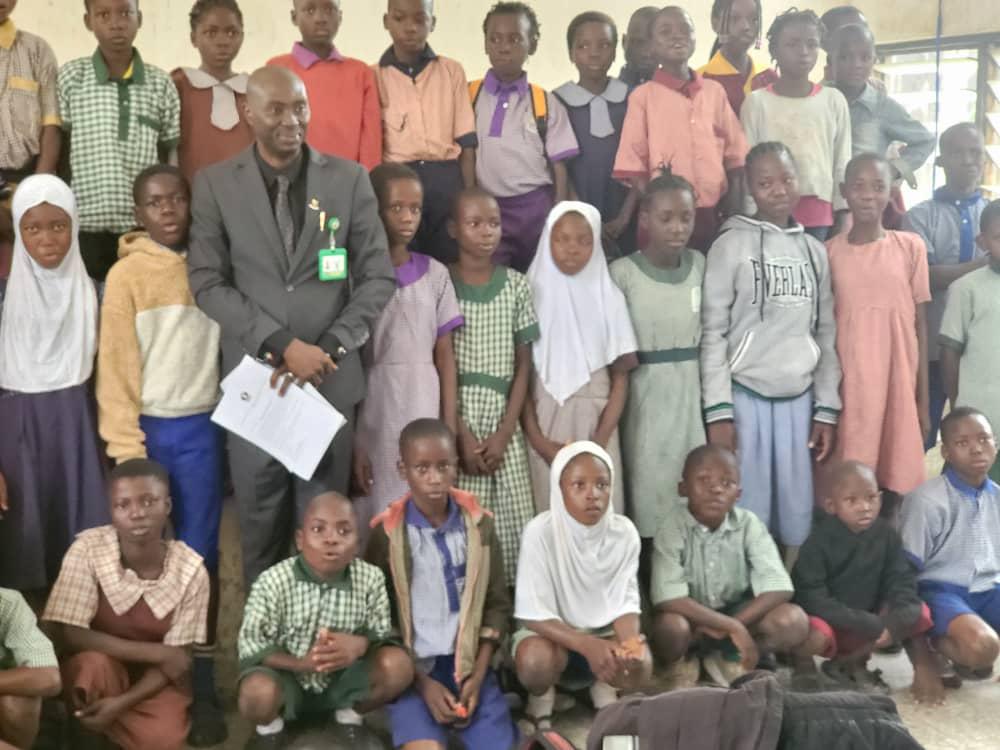


The National Home-Grown School Feeding Programme (NHGSFP) is a major social intervention initiative of the Federal Government of Nigeria, introduced in 2016 under the National Social Investment Programme (NSIP). The programme is designed to tackle critical challenges such as poor child nutrition, low school enrolment, and high dropout rates among pupils in public primary schools. Beyond its immediate educational benefits, the NHGSFP also serves as a catalyst for local economic growth by promoting agricultural productivity through the sourcing of food from local farmers. As a strategic tool for educational development, the programme strengthens human capital development while supporting Nigeria’s commitment to the Sustainable Development Goals (SDGs), particularly Goals 1 (No Poverty), 2 (Zero Hunger), and 4 (Quality Education). However, its implementation outcomes have been mixed due to challenges such as funding gaps, irregular supply of food items, and weak monitoring mechanisms, which affect its overall effectiveness.
Education is universally recognised as a cornerstone of sustainable development, social equity, and economic growth. It involves a complex interplay of cultural, economic, and political factors that shape access, quality, and outcomes across nations. By providing both nutritional support and an incentive for school attendance, School Feeding Programme (SFPs) serve as a practical bridge between health and education. It enhances learners’ capacity to participate fully and benefit from the educational process. SFPs represents one of the most widespread social safety nets globally, implemented across diverse economic contexts to address childhood hunger and promote education. The scale is substantial; prior to disruptions like the COVID-19 pandemic, estimates suggested that national SFPs reached over 380 million children worldwide, highlighting their significance as a global intervention tool (World Food Programme, 2021).
SFPs aim to alleviate short-term hunger, boost school enrollment and attendance, and support cognitive development, which are foundational to academic performance. Recent research found that SFPs improved mathematical skills with a mean difference of 0.32 highlighting it’s important to improving the health and education outcomes of children (Wang et al., 2021). In South Carolina, United States, a study found that participation in the National School Lunch Programme via the Community Eligibility Provision improved mathematics test scores by 0.06 standard deviations among elementary students from disadvantaged backgrounds, highlighting significant benefits for vulnerable groups (Gordanier et al., 2020).
Universal Infant Free School Meals in the UK provided positive impacts on educational attainment, particularly in reading and mathematics for younger children (Holford & Rabe, 2022). In Asia, India’s large-scale Mid-Day Meal Scheme has demonstrated significant improvements in school enrollment and attendance (Afridi et al., 2024). In Australia, school breakfast programmes for Indigenous and disadvantaged students have been linked to improved concentration, behaviour, and school engagement (Foley et al., 2019). Meanwhile, a study in Rural Northern Ghana by Abayomi and Bukari (2014) found causal link between the SFP as one of the multiplier effects, which has not only increased enrolments by 25 percent, but also reduced dropout and absenteeism rates.
The National Home-Grown School Feeding Programme (NHGSFP), launched in 2016, represents a major social investment initiative in Nigeria, providing one free meal daily to public primary school pupils to improve nutrition, education, and local agriculture. By 2019, the programme reached over 9.7 million pupils across 53,715 public primary schools in 31 states, with each meal costing approximately N70 per child (Premium Times, 2019). In 2025, the Nigerian Government reinforced its commitment by allocating N100 billion to the NHGSFP (Edugist, 2025).
Research highlights its positive impact on academic performance. For example, a study conducted in nomadic schools in Jigawa State reported improved pupil attention span and increased class participation. This was agreed upon by 69 percent of head teachers and 53.3 percent of class teachers (Kaugama, 2024). Nevertheless, persistent challenges such as funding shortages, inconsistent meal quality, and logistical difficulties continue to undermine its full potential (Vanguard News, 2021), necessitating targeted improvements to sustain its benefits. The World Food Programme (2021) defines school feeding as an initiative that provides food to children in schools, functioning as a critical social safety net with objectives spanning improved nutrition, enhanced access to education and better learning outcomes. Bundy et al. (2009) describe school feeding as a multi-faceted intervention where food is provided to pupils often as a response to diverse problems including hunger, micronutrient deficiencies, low school enrolment and attendance, poor educational performance, and increasingly as part of a social safety net. This study will adopt both definitions due to their comprehensive coverage of the NHGSFP’s role in addressing both educational and nutritional challenges within school systems.
Primary education forms the bedrock of formal learning, shaping children’s cognitive and social development. In Nigeria, its evolution reflects the influence of indigenous systems, colonial intervention, missionary education, and post-independence reforms. Before colonial rule, ethnic groups such as the Yoruba and Hausa-Fulani operated indigenous systems emphasizing practical skills, moral instruction, and cultural preservation through apprenticeships and Quranic schools (Fafunwa, 1974; Bray, 1981).
The arrival of British colonialists in the 19th century introduced Western education through Christian missions, beginning with the first primary school founded by the Church Missionary Society in Badagry in 1843 (Taiwo, 1980). Early schools focused on literacy and religious instruction for a limited elite, while colonial policies prioritized clerical training over mass education. Resistance in Northern Nigeria and unequal resource distribution deepened regional disparities in access to schooling (Fafunwa, 1974; Bray, 1981).
After independence in 1960, education became central to nation-building. The 1969 Curriculum Conference and the 1976 Universal Primary Education (UPE) scheme expanded access and promoted free, compulsory schooling (Obanya, 2004). However, challenges of funding and quality persisted. To strengthen the system, the government introduced the Universal Basic Education (UBE) programme in 1999, legally backed by the UBE Act of 2004. The programme extended free education to nine years of basic schooling, emphasizing access, equity, and quality. Despite persistent challenges, the UBE has improved enrolment and infrastructure across Nigeria.
School feeding in Nigeria predates formal national programmes, with localised efforts by communities and non-governmental organisations. In the 1960s and 1970s, some states, particularly in Western Nigeria, implemented small-scale feeding initiatives in primary schools to boost attendance and reduce hunger among pupils (Akanbi, 2013). In 2005, the NHGSFP was established under President Olusegun Obasanjo’s administration marked a significant milestone in Nigeria’s school feeding history. The programme aimed to provide one nutritious meal per school day to primary school children, improve nutritional intake, increase enrollment, and stimulate local agricultural production (Xinhua, 2005). The pilot phase targeted 2.5 million pupils across 12 states, selected from Nigeria’s 6 geopolitical zones, with support from the New Partnership for Africa’s Development (NEPAD) and the United Nations Children’s Fund (UNICEF) (Agu et al., 2023). The programme linked local farmers to schools by sourcing ingredients from smallholder farmers, fostering economic benefits for rural communities.
In 2016, the NHGSFP was relaunched under President Muhammadu Buhari’s administration as part of a broader social investment programme to address Nigeria’s high rates of malnutrition and out-of-school children. The relaunched programme aimed to improve the health and educational outcomes of primary school pupils, support local farmers, and contribute to the UBE goals (Agu et al., 2023). Initially implemented in 22 states, the programme provided a daily meal costing N70 per child, using locally sourced produce such as rice, beans, moin-moin, and fufu (Action Health Incorporated, 2018).
By 2019, the federal government reported that the NHGSFP had served over 300 million meals to 9.4 million pupils in 46,000 public primary schools across 31 states, creating 106,000 jobs (Borgen Project, 2024). The programme significantly boosted enrollment by 20 per cent nationwide, demonstrating its effectiveness in attracting and retaining children in school (Aregbesola, 2016). The NHGSFP’s multi-sectoral approach involved ministries of Agriculture, Education, Health, and finance, fostering collaboration to enhance agricultural productivity and nutritional outcomes.
In December 2023, President Bola Tinubu approved the continuation and expansion of the NHGSFP under the Renewed Hope Agenda. This aimed to scale the programme to reach 20 million children by 2025 with a USD 100 million budget (Oyedokun, 2024). The establishment of the Office of the Senior Special Assistant on the NHGSFP in 2024 signaled renewed commitment to addressing these challenges through stakeholder engagement and policy reforms (NHGSFP, 2025). The historical development of the SFP in Nigeria reflects a commitment to addressing child malnutrition and educational disparities through innovative, home-grown solutions. From its launch in 2005 to its revival in 2016 and recent expansion plans, the NHGSFP has achieved significant milestones in boosting enrollment, improving nutrition, and supporting local economies.
There are several policies/programmes on primary education and School Feeding Programme in Nigeria. These policies are as discussed below.
National Policy on Education (NPE)
The National Policy on Education (NPE), first introduced in 1977 and revised in 2013, serves as the cornerstone of Nigeria’s education system. The NPE outlines the framework for primary education, emphasising free, compulsory, and universal access for children aged 6–12 (Federal Republic of Nigeria, 2013). Its objectives include fostering cognitive, affective, and psychomotor development, promoting national unity, and preparing children for further education or vocational training. The policy mandates the use of the mother tongue or language of the immediate community as the medium of instruction in the early years (Primary 1–3) to enhance learning outcomes (Fafunwa, 1991).
The NPE also promotes inclusive education, ensuring access for children with disabilities and those in marginalised communities. It integrates entrepreneurship and digital literacy into the curriculum to align with 21st-century skills (Federal Republic of Nigeria, 2013). Implementation is overseen by the Universal Basic Education Commission (UBEC), established under the UBE Act of 2004, which coordinates federal and state efforts to achieve universal basic education.
Universal Basic Education 2002
The UBE programme was introduced in 1999 by the Federal Government of Nigeria as a reform programme aimed at providing greater access to, and ensuring quality of basic education throughout Nigeria. The UBE was established by the Compulsory, Free Universal Basic Education and Other Related Matters Act of 2004 (UBEC, 2025) to eradicate illiteracy, ignorance and poverty as well as to stimulate and accelerate national development, political consciousness and national integration. The UBE programme objectives include:
a. Developing in the entire citizenry a strong consciousness for education and strong commitment to its vigorous promotion.
b. Reducing drastically the incidence of dropout from the formal school system.
c. The provision of free, universal basic education for every Nigerian child of school going age.
d. Cater for dropouts and out of school children and adolescents through various forms of complementary approaches to the provision and promotion of basic education.
e. Ensure the acquisition of the appropriate levels of literacy, manipulative and life skills as well as the ethical moral and civic values needed for laying the foundation for life-long learning.
Nigeria has the highest out-of-school children of over 18.5 million, the figure indicates that 1/3 of Nigerian children are out-of-school, 61 per cent of 6-11 years old regularly attend primary school and 1 in every 5 of the world’s out-of-school children is in Nigeria UNICEF (2022). This is in contrast to 10.5 million in 2021, due to terrorism activities in the northeast, banditry and kidnapping in northwest and northcentral and sit-at-home order in the southeast.
National Home-Grown School Feeding Programme (NHGSFP) Policy Framework
The NHGSFP, launched in 2005 and relaunched in 2016, is guided by a policy framework under the Federal Ministry of Humanitarian Affairs, and Poverty Reduction. The programme’s objectives are to improve nutritional status, increase school enrollment and attendance, and stimulate local agricultural economies by linking schools with smallholder farmers (NHGSFP, 2025). The policy aligns with SDG 2 (Zero Hunger) and SDG 4 (Quality Education) and is part of Nigeria’s Social Investment Programme. The NHGSFP policy mandates one balanced meal per school day for pupils in Primary 1–3, costing approximately N70 per child in 2016, adjusted for inflation in subsequent years (Action Health Incorporated, 2018). Meals are required to meet at least 33 per cent of a child’s daily nutritional needs, using locally sourced ingredients like rice, beans, vegetables, and eggs (School Meals Coalition, 2024). The policy emphasises multi-sectoral collaboration, involving ministries of Agriculture, Education, Health, and Finance, and employs local cooks, predominantly women, to foster economic empowerment.
Renewed Hope Agenda (2023)
Under President Bola Ahmed Tinubu’s Renewed Hope Agenda, the NHGSFP was revitalized in December 2023 with an ambitious target of reaching 20 million schoolchildren by 2025, supported by a $100 million budget allocation (School Meals Coalition, 2024). As part of the reforms, the policy incorporated enhanced transparency and accountability measures, including the digital tracking of meal preparation and distribution to reduce leakages and prevent corruption. In addition, the updated programme mandated routine deworming and periodic health screenings to amplify the nutritional and educational benefits of the intervention (NHGSFP, 2025). The creation of the Office of the Senior Special Assistant to the President on NHGSFP in 2024 further signals the administration’s strong political will and institutional commitment to achieving the programme’s goals and ensuring its effective implementation across the country.

Legal Frameworks on Primary Education and School Feeding Programme in Nigeria.
The Constitution of the Federal Republic of Nigeria 1999 as Amended
The Constitution of the Federal Republic of Nigeria 1999 in section 18 states that (1) government shall direct its policies towards ensuring equal and adequate educational opportunities at all levels. Section 18(3)(a) specifically states that “Government shall strive to eradicate illiteracy; and to this end, Government shall provide free and compulsory primary education.” The Constitution stipulates that education is on the concurrent legislative list which requires active participation between governments at all levels. The education system is in shambles and overshadowed by poor learning condition and unavailability of qualified teachers especially at the rural areas. Hence, revealing a disparity between public and private schools, and urban and rural education in Nigeria.
Nigeria’s education budget for 2025 is N3.52 trillion, representing 7.3 per cent of the total national budget which is a 61.47 per cent increase compared to the N2.18 trillion allocated in 2024 (Agwulonu & Akanji 2025). This is the highest allocation to education in Nigeria’s history, but it still falls short of the UNESCO recommendation of 15-20 per cent for developing countries. Education remains a critical tool for human capital development and the economic growth of Nigeria. Hence, effective monitoring and evaluation is critical to the funding of the education sector, especially at the local level where it has been relegated.
Universal Basic Education (UBE) Act of 2004
The UBE Act of 2004 stands as the most comprehensive legislation guiding the delivery of basic education in Nigeria, which encompasses primary and junior secondary education. One of its core provisions is the mandate for nine years of uninterrupted, free, and compulsory basic education for all Nigerian children. This legal requirement reinforces the government’s commitment to universal access to education as a fundamental right. The Act also led to the creation of key institutional structures such as the UBEC at the federal level, which is tasked with coordinating and monitoring the implementation of the UBE programme. At the state level, SUBEBs are responsible for execution, ensuring that basic education policies are tailored to local contexts while maintaining national standards.
Furthermore, the UBE Act outlines a clear funding mechanism through the establishment of the UBE Intervention Fund, which states can access only upon providing matching counterpart funding. This cost-sharing arrangement is designed to encourage state-level commitment and ownership of the programme. The Act not only provides a legal and operational framework for the delivery of primary education but also forms the foundation for complementary interventions, such as the NHGSFP. By linking school attendance with incentives like school meals, the UBE framework helps to reduce dropout rates and improve learning outcomes, particularly among children from poor and vulnerable households. Ultimately, the UBE Act is a cornerstone of Nigeria’s basic education system and a critical driver of educational access and equity.
Child Rights Act, 2003
The Child Rights Act (CRA) of 2003 reinforces the legal foundation for the protection, development, and education of Nigerian children, aligning closely with both national priorities and international human rights obligations. Section 15 of the Act specifically guarantees every Nigerian child the right to free, compulsory, and universal basic education, thereby affirming the state’s obligation to ensure that no child is denied access to schooling. Beyond formal education, the Act mandates government intervention to reduce dropout rates, increase school attendance, and support holistic child development through adequate nutrition and basic healthcare services. These provisions underscore the integral link between education, health, and child welfare, which also forms the conceptual basis for initiatives such as the NHGSFP. By addressing both educational and nutritional needs, the CRA helps to foster an environment conducive to learning and human capital development.
However, while the CRA is a federal legislation, its legal enforceability depends on domestication by individual states. Nigeria operates a federal system in which national laws must be adopted by each state to become fully applicable within their jurisdictions. This creates a significant gap in implementation, as not all states have domesticated the CRA, limiting its reach and impact in many parts of the country. The uneven adoption has implications for the uniform protection of children’s rights, particularly in relation to access to education and social support services such as school feeding. For the CRA to achieve its full potential, there must be sustained advocacy and policy engagement at the sub-national level to promote its domestication and enforcement across all 36 states and the Federal Capital Territory.
International Legal Commitments
Nigeria’s commitment to improving education and child welfare is further reinforced through its alignment with various international legal frameworks. As a signatory to the United Nations Convention on the Rights of the Child (CRC), Nigeria is obligated to uphold the rights of every child to education, health, and an adequate standard of living, including access to nutritious food. The CRC emphasises the role of governments in ensuring that children receive the support they need to thrive both academically and physically. In addition, Nigeria’s adoption of the Sustainable Development Goals (SDGs) particularly Goal 2 (Zero Hunger) and Goal 4 (Quality Education) underscores its international pledge to end hunger, improve nutrition, and ensure inclusive, equitable, and quality education for all by 2030. These frameworks create a normative basis for integrating school feeding programmes like the NHGSFP as tools for achieving broader development goals.
Furthermore, Nigeria is a participating country in the School Meals Coalition, a global initiative aimed at expanding access to nutritious school meals and strengthening national school feeding systems. This coalition advocates for increased investment in school feeding as a strategic intervention to address hunger, boost school attendance, and enhance learning outcomes, particularly in low- and middle-income countries. By joining such multilateral efforts, Nigeria not only aligns with international best practices but also signals its willingness to be held accountable to global standards. These commitments place both moral and diplomatic pressure on the Nigerian government to sustain, institutionalise, and scale up its education and nutrition-related programmes. They also open avenues for technical assistance, donor support, and peer learning, all of which are crucial for enhancing the effectiveness and sustainability of interventions like the NHGSFP.
Institutional Framework on Primary Education and School Feeding Programme in Nigeria
The Federal Ministry of Education
The Federal Ministry of Education (FME) is the apex institution responsible for formulating national education policy, coordinating development plans, and aligning Nigeria’s education system with international standards and goals. As the principal policy-making body, it sets educational priorities, develops regulatory frameworks, and monitors compliance with national and global benchmarks such as the SDGs particularly Goal 4 on quality education. The FME provides strategic oversight for the entire education sector, including primary education, ensuring equity, access, and quality. In fulfilling this mandate, the FME works collaboratively with key institutions such as the UBEC and oversees curriculum development through parastatals like the Nigerian Educational Research and Development Council (NERDC). It also engages with international development partners like UNICEF, United Nations Educational, Scientific and Cultural Organisation (UNESCO), and the World Bank to mobilize technical and financial support for education reform and improvement.
Importantly, the Ministry plays a supportive and strategic role in the implementation of the NHGSFP, recognising its potential to increase school enrolment, reduce absenteeism, and improve academic performance among primary school pupils. The FME provides policy input to align school feeding with broader educational goals. The Ministry also supports monitoring and evaluation activities to assess how school meals impact learning outcomes, health, and pupil retention, especially in underserved communities. By integrating educational and nutritional interventions, this inter-ministerial partnership strengthens the overall effectiveness of basic education delivery in Nigeria. It also contributes to reducing child hunger while promoting cognitive development and classroom engagement.
Universal Basic Education Commission (UBEC)
The UBEC was established by the Universal Basic Education Act of 2004. The Commission is the central federal agency charged with the coordination and monitoring of basic education across Nigeria. The Commission plays a vital role in translating national education policies into action by providing strategic guidance, setting quality benchmarks, and supporting state-level implementation. UBEC is instrumental in ensuring that the goals of universal access, equity, and quality in basic education are met in line with national priorities and international commitments such as the SDGs.
UBEC also manages the disbursement of the UBE Intervention Fund, which provides financial support to SUBEBs for various educational activities, including school construction, teacher training, and provision of instructional materials. However, access to these funds is contingent upon States fulfilling the counterpart funding requirement, which is designed to encourage shared responsibility and financial commitment at the subnational level. Beyond funding, UBEC promotes best practices in pedagogy, learning assessment, and education management to strengthen learning outcomes. Its oversight functions include monitoring compliance, evaluating programme effectiveness, and fostering innovation to improve the overall standard of primary education delivery in Nigeria.
Federal Ministry of Humanitarian Affairs and Poverty Reduction
The Federal Ministry of Humanitarian Affairs and Poverty Reduction is the primary institution charged with the oversight and coordination of the NHGSFP. As part of its broader mandate to address poverty and social vulnerability, the Ministry provides strategic leadership, formulates policies, and ensures that the NHGSFP aligns with the objectives of the NSIP. Through this framework, the Ministry aims to tackle hunger, improve school enrolment and retention, and stimulate local agricultural production by sourcing food from local farmers.
In addition to policy direction, the Ministry is responsible for managing budgetary allocations for the programme and facilitating inter-governmental coordination. It works in close collaboration with state governments, State School Feeding Programme Managers, and local stakeholders including community leaders, cooks, and smallholder farmers to ensure the programme is effectively implemented. The Ministry also oversees monitoring and evaluation mechanisms to track impact, enhance accountability, and identify areas for improvement in service delivery. This reinforces the NHGSFP’s role as both a social protection and educational support initiative.
State NHGSFP Implementation Teams
At the state level, the implementation of the NHGSFP is driven by dedicated School Feeding Implementation Teams, usually overseen by a State Programme Manager. These teams are established by state governments to coordinate the day-to-day operations of the programme and ensure that it aligns with both federal guidelines and local realities. They are responsible for developing state-specific implementation strategies, supervising logistical arrangements, and ensuring effective collaboration among stakeholders at various levels. Their leadership is essential for adapting the programme to the unique socio-economic and cultural contexts of each state.
The teams also play a central role in food procurement, distribution, and monitoring, often prioritising the use of locally sourced food items to stimulate local economies and support smallholder farmers. They work closely with SUBEBs, community cooks, nutritionists, public health officials, and school administrators to maintain food quality, safety, and nutritional value. In addition, the teams lead community engagement efforts, ensuring that local stakeholders including parents, traditional leaders, and civil society organisations are involved in oversight and advocacy. This decentralised approach enhances transparency, improves programme ownership at the grassroots level, and contributes to the overall success of the NHGSFP.
Issues and Challenges Facing the National Home-Grown School Feeding Programme and Pupils’ Academic Performance in Nigeria
The NHGSFP, introduced as part of Nigeria’s Social Investment Programme, aims to boost school enrollment, reduce malnutrition, and enhance learning outcomes among public primary school pupils. Despite its ambitious design and nationwide coverage, the programme’s contribution to improved academic performance has been hampered by a range of policy and operational challenges.
Inconsistent Funding and Irregular Feeding Days
A major challenge facing the NHGSFP is the irregular and delayed release of funds, which disrupts the consistency of school feeding across states. In many schools, pupils do not receive meals daily due to budgetary constraints or payment delays to vendors. These interruptions undermine the nutritional goals of the programme and limit its positive effect on concentration, attendance, and classroom performance. When feeding is erratic, the incentive for regular school attendance and sustained academic engagement is weakened.
Poor Nutritional Quality and Meal Standardisation Gaps
Although the programme is intended to provide nutritionally balanced meals, quality and content vary widely across regions. In some states, meals lack essential nutrients due to poor oversight, inadequate funding, or non-compliance by food vendors. This nutritional inadequacy affects pupils’ cognitive development, energy levels, and attentiveness, thus compromising potential gains in academic performance. The absence of a robust meal monitoring framework continues to affect standardisation and impact assessment.
Infrastructure and Hygiene Deficiencies in Schools
Many public primary schools across Nigeria lack basic facilities, clean water, and sanitation systems, which are essential for safe and hygienic food preparation. In such settings, meals are often prepared under unhygienic conditions, exposing pupils to health risks such as foodborne illnesses. Frequent illness due to contaminated meals can lead to absenteeism, affecting classroom participation and learning outcomes. Poor infrastructure also hinders the proper storage and timely distribution of food items.
Weak Monitoring, Evaluation, and Accountability Mechanisms
The NHGSFP suffers from limited data transparency, weak monitoring, and lack of real-time reporting systems. This makes it difficult to assess the programme’s actual impact on school attendance and learning performance. In several states, there is no systematic tracking of nutritional outcomes or pupil academic improvement attributable to the feeding programme. Without clear metrics and accountability mechanisms, the link between policy inputs and educational outputs remains speculative and poorly evidenced.
Exclusion and Uneven Coverage
Although the NHGSFP targets all pupils in public primary schools, coverage is uneven. Some schools and communities, especially in rural or hard-to-reach areas are excluded from the programme due to logistical difficulties. This exclusion limits the programme’s potential to serve as a universal equaliser in educational access and outcomes, reinforcing existing disparities in pupil performance across different regions.
Vendor Recruitment and Local Content Challenges
The NHGSFP is designed to empower local farmers and women by sourcing food locally and recruiting community-based vendors. However, issues such as non-transparent vendor selection, poor training, and logistical bottlenecks in food supply chains have weakened this strategy. Where vendors lack proper skills or fail to adhere to nutritional guidelines, the quality of meals suffers, reducing the programme’s impact on pupils’ health and academic engagement.
The NHGSFP represents an important step toward achieving improved educational and health outcomes for Nigerian children. However, its success in enhancing pupils’ academic performance depends on sustainable funding, improved nutrition standards, stronger monitoring, and inclusive implementation.
Transfer the administration
To strengthen its educational focus and accountability, the National Home-Grown School Feeding Programme should be domiciled in the Federal Ministry of Education rather than the Federal Ministry of Humanitarian Affairs and Poverty Reduction.
CONCLUSION, RECOMMENDATIONS AND IMPLEMENTATION STRATEGIES
Conclusion
The NHGSFP plays a vital role in improving pupils’ welfare and advancing Nigeria’s broader goals of education and human capital development. However, its impact has been limited by irregular implementation, inadequate funding, and the inconsistency of daily meal provision. These challenges weaken the programme’s ability to deliver sustained educational outcomes and reduce hunger among schoolchildren. Despite these setbacks, opportunities exist to strengthen the NHGSFP through better funding mechanisms, improved monitoring, and consistent delivery of meals. By addressing these barriers, the NHGSFP can significantly improve pupils’ academic performance, while contributing to Nigeria’s broader vision of inclusive education and sustainable development.
Other challenges affecting the NHGSFP. These include irregular food supply, poor nutritional quality, logistical difficulties, and delays in vendor payments. Insufficient funding, weak community involvement, poor monitoring, bureaucratic bottlenecks, and systemic inefficiencies further threaten the programme’ s sustainability and long-term success.
Recommendations and Implementation Strategies
Recommendation One
The Federal Ministry of Humanitarian Affairs, Disaster Management and Social Development (FMHDSD)/Federal Ministry of Education (FME) in collaboration with State Government should ensure the reactivation and full-scale implementation of NHGSFP across all schools in the states.
Implementation Strategies
i. The FMHDSD/FME in collaboration with State government SUBEB to relaunch the programme by third Quarter, 2026.
ii. The LGEA to establish implementation committees to oversee school-level operations, by third Quarter, 2026.
iii. Ministry of Education to conduct baseline assessments to track enrolment and attendance before and after programme resumption, by Third Quarter, 2026.
Recommendation Two
The State Government should improve the frequency and consistency of school meal provision to achieve the programme’s daily feeding target.
Implementation Strategies
i. The FMHDSD/FME in partnership with SUBEB to revise contracts with food vendors to guarantee daily meal provision, effective Third Quarter, 2026.
ii. The FMHDSD/FME to allocate special budgetary provisions to the State Renewed Hope -NHGSFP Program Manager for prompt release of funds to vendors by Third Quarter, 2026.
iii. The State Renewed Hope -NHGSFP Program Manager in collaboration with SUBEB to conduct monthly tracking of meal frequency and report compliance to LGEA by Third Quarter, 2026.
Recommendation Three
The State Renewed Hope -NHGSFP Program Office should ensure community participation and local ownership of the NHGSFP to ensure sustainability and accountability.
Implementation Strategies
i. LGEA to establish School-Based Management Committees to oversee and monitor feeding activities starting Third Quarter, 2026.
ii. States Renewed Hope -NHGSFP Program Office to involve Parent-Teacher Associations, traditional leaders, and women’s groups in sensitisation and monitoring, ending Third Quarter, 2026.
iii. States Renewed Hope -NHGSFP Program Office in collaboration with the LGEA to organise regular town-hall meetings between programme officials, communities, and vendors to strengthen feedback and collaboration, by Fourth Quarter, 2026.
Recommendation Four
The Renewed Hope -NHGSFP Program National Manager should strengthen monitoring and evaluation systems to improve transparency, accountability, and programme effectiveness.
Implementation Strategies
i. The State Renewed Hope -NHGSFP Program Office in collaboration with SUBEB to deploy digital monitoring tools for real-time reporting on feeding activities by Second Quarter, 2026.
ii. The FMHDSD/FME to conduct quarterly independent evaluations of NHGSFP in all States, by Fourth Quarter, 2026.
iii. SUBEB through the LGEA to mandate Head Teachers to submit bi-monthly reports on attendance, and retention beginning Third Quarter, 2027.
Recommendation Five
The FMHDSD/FME should prioritise adequate and timely funding to address operational and financial challenges limiting programme sustainability.
Implementation Strategies
i. The Renewed Hope -NHGSFP Program National Manager to ensure timely release of funds to the NHGSFP in all the States by Third Quarter, 2026.
ii. The State Renewed Hope -NHGSFP Program Office to ensure prompt disbursement of funds to vendors, by Third Quarter, 2026.
iii. The Renewed Hope -NHGSFP Program National Manager to explore partnerships with private sector organisations and development partners to co-fund and expand the programme by First Quarter, 2026.
iv. The Renewed Hope -NHGSFP Program National Manager to explore partnerships with private sector organisations and development partners to co-fund and expand the programme ending Second Quarter, 2026.
Recommendation Six
The State Renewed Hope -NHGSFP Program Manager should ensure nutritional quality of meals to support improved cognitive and learning outcomes.
Implementation Strategies
i. The State Renewed Hope -NHGSFP Program Office in collaboration with SUBEB to develop and monitor nutrition standards for food vendors by Third Quarter, 2026.
ii. The State Renewed Hope -NHGSFP Program Office to train food vendors and caterers on food hygiene, balanced meal preparation, and cost-effective nutrition by ending Second Quarter, 2026.
iii. The State Renewed Hope -NHGSFP Program Office to conduct periodic nutritional evaluation of food vendors to ensure compliance with dietary guidelines, beginning Third Quarter, 2026.
Finally, It is recommended that the Federal Government should relocate the National Home-Grown School Feeding Programme from the Federal Ministry of Humanitarian Affairs and Poverty Reduction to the Federal Ministry of Education to ensure better alignment with educational objectives and institutional mandates.
REFERENCES
Abayomi, O & Bukari, M (2014) Educational Outcomes of School Feeding Intervention: Evidence from Rural Northern Ghana. Russian Journal of Agricultural and Socio-Economic Sciences, 27(3): 3-16.
Abotsi A. K. (2013). Expectations of School Feeding Programme: Impact on School Enrolment, Attendance and Academic Performance in Elementary Ghanaian Schools. British Journal of Education, Society & Behavioural Science, 3(1): 76-92.
Action Health Incorporated. (2018). National Home Grown School Feeding Programme. https://www.actionhealthinc.org/school-feeding-project/
Afridi, F., Burde, D., & Flowerman, M. (2024). Nutrition and Cognitive Development: Evidence from India’s Midday Meal Programme. Journal of Human Resources, 59(1), 1-33.
Agu, C.I., Ossai, E.N., Ogah, O.E., Agu, I.C., Akamike, I., Ugwu, G.O., Edwin, N Ewenyi, B.L & Azuogu, B.N (2023). An Appraisal of the Implementation of the National School Feeding Programme and its effect on Enrolment and Attendance in Public Primary Schools in Southeast, Nigeria: Perception of Heads of Schools. BMC Nutrition 9, 37
Agwulonu, C & Akanji, M. (2025). Analysing the Impact of Low Education Budget Allocations on Future Generations. This Day News Paper, January 15, 2025. https://businessday.ng/analysis/article/analysing-the-impact-of-low-education-budget-allocations-on-future-generations/?utm_source=chatgpt.com
Aidelokhai, D. I., Idris, A., Musa, U. F & Maichibi, J. H (2021). School Feeding Programme in Nigerian Public Primary Schools and Academic Performance: Appraisal of the Political Implications. International Journal of Social Science and Economic Research. 6(8)
Akanbi, G. O. (2013). History of Education in Nigeria: A Contemporary Analysis. Ibadan University Press.
Alabede, M. I., Sawyerr, H. O., Ogunruku, M. I, & Yusuf, A. B., (2020). Assessment of Impact of National Home Grown School Feeding Programme on The Academic Performance Of Pupils In Selected Primary Schools, Orire Local Government, Oyo State. Journal of Environmental Science, Toxicology and Food Technology; 14(6) pp: 22-26. ISSN: 2319-2399. www.iosrjournals.org
Alcantara, M. A., & Frontreras, M. A (2024). The Impact of Nutritional School Based Feeding Programme on Academic Achievement of Selected Elementary Learners in West Philippines. International Journal of Education and Teaching Zone, 3(1), 73–81. https://doi.org/10.57092/ijetz.v3i1.153
Amanuel, A. (2021). Assessment of the Role of School Feeding Programme on Students’ Enrollment and Academic Performance: The Case of Kolfe Keranyo Sub-City in Addis Ababa. A Thesis Submitted to St. Mary’s University School of Graduate Studies in Partial Fulfillment of the Requirements for the Degree of Master of Arts in Project Management.
Aregbesola, R. (2016). Development of Nigeria Begins with Feeding of School Pupils. https://www.osunstate.gov.ng/2016/06/development-nigeria-begins-feeding-school-pupils-aregbesola/
Atobatel, A. J., & Okewale, R. A. (2021). Effect of School Feeding Programme on Primary Education in Ijebu-Ode Local Government Area of Ogun State, Nigeria (2010-2020). Covenant University Journal of Politics and International Affairs, 9(2). Retrieved from https://journals.covenantuniversity.edu.ng/index.php/cujpia/article/view/2836
Awotedu, A. W (2023). Investigating the Impact of the School Feeding Programme on Enrolment and Academic Performance of Pupils in Ogun State, Nigeria. Trinity Journal of Management Technology and Contemporary Studies, 1(1), 54–61.
Bandura, A. (1986). Social foundations of thought and action: A social cognitive theory. Englewood Cliffs, NJ: Prentice-Hall.
Becker, G. S. (1964). Human Capital: A Theoretical and Empirical Analysis, with Special Reference to Education. Chicago: University of Chicago Press.
Borgen Project. (2024). The Home-Grown School Feeding Programme in Nigeria.
Bray, M. (1981). Universal Primary Education in Nigeria: A Study of Kano State. Routledge.
Bundy, D. A. P., Burbano, C., Grosh, M., Gelli, A., Jukes, M. C. H., & Drake, L. (2009). Rethinking School Feeding: Social Safety Nets, Child Development, and the Education Sector. World Bank.
Cletus, E., Habila, J. B. & Alfa, A. A. (2022). Influence of National Home-Grown School Feeding Programme on Primary School Pupils Attendance and Academic Performance in Makurdi, Benue State, Nigeria. Integrity Journal of Education and Training; 6(6), pp 133-139. https://doi.org/10.31248/IJET2022.165
Corpuz, S. G., & Bantulo, J. S. (2023) Level of Effectiveness, Sustainability of School-Based Feeding Programme, Nutritional Status and Academic Performance of Pupils Amidst Covid-19 Pandemic: Basis for a Proposed project Busog Talino Programme. European Journal of Education Studies, 10(7). doi:http://dx.doi.org/10.46827/ejes.v10i7.4880.
Daily Post. (2017). 168,450 Pupils, 2,408 Schools to Benefit from Oyo School Feeding Programme. Retrieved from https://dailypost.ng/2017/01/27/168450-pupils-2408-schools-benefit-oyo-school-feeding-programmeme/
Desalegn, T A., Gebremedhin, S., Alemayehu, F.R, & Stoecker, B. J (2021) The Effect of School Feeding Programme on Class Absenteeism and Academic Performance of School Children in Southern Ethiopia: A Prospective Cohort Study. Public Health Nutrition.; 24(10):3066-3074.
Edugist. (2025). Nigeria allocates N100bn for School Feeding Programme in 2025. Retrieved from https://edugist.org/nigeria-allocates-n100bn-for-school-feeding-programmeme-in-2025/
Egwuasi, P. I., Etteh, M. U., Bassey, M. O & Kyauna, H. W (2022). Home-grown School Feeding Programme and School Attendance in Calabar. A Journal of Basic Education in Nigeria. Vol 8; www.ubec.gov.ng ISSN: 1596-1649
Fafunwa, A. B. (1991). History of education in Nigeria. Ibadan: NPS Educational Publishers Ltd.
Fafunwa, A. B. (1974). History of Education in Nigeria. George Allen & Unwin.
Federal Republic of Nigeria. (2004). Universal Basic Education Act. Government Press.
Federal Republic of Nigeria. (2013). National Policy on Education. NERDC Press.
Foley, W., Ward, B., Williams, R., & Strukt, P. (2019). Filling the gap: A study of the Townsville school breakfast programme and its impact on Aboriginal and Torres Strait Islander students. The Australian Journal of Indigenous Education, 48(2), 167-178.
Gordanier, J., Ozturk, O., Williams, B., & Zhan, C. (2020) Free Lunch for All! The Effect of the Community Eligibility Provision on Academic Outcomes. Economics of Education Review. https://doi.org/10.1016/j.econedurev.2020.101999
Holford, A., & Rabe, B. (2022). Feed the children? The impact of Universal Infant Free School Meals on educational attainment. Journal of Public Economics, 211, 104670.
Hossain, S (2022). School Feeding Programmes and Development: Evidence from Some Developing Countries. BJFT 2022 Volume 7: 47-60.
Kanampio, C. K (2022). Impact of School Feeding Programme on Quality of Education in Public Primary Schools in Unplanned Settlements in Nairobi County, Kenya. A Research Project Submitted to Department of Political Science and Public Administration in Partial Fulfilment of Requirement for a Master of Arts Degree in Public Administration of University of Nairobi.
Kaugama, H. H. (2024). Assessment of the Impacts of School Feeding Programme on Pupils’ Retention and Academic Performance in Nomadic schools of Jigawa State. International Journal of Research in Education and Sustainable Development, 4(5), 39-50. Retrieved from https://www.openjournals.ijaar.org/index.php/ijresd/article/view/548
Maijo, S. N (2018). Impact of School Feeding Programme on Learners’ Academic Performance in Mlunduzi Ward, Tanzania. International Journal of Educational Studies. 5(3) DOI: https://doi.org/10.33687/educ.005.03.2667
Mketo, L. A., Mwakasangula, E & Tefurukwa, O. W (2022). The Influence of School Feeding Programmememes on Students’ Academic Performance in Shinyanga Municipality-Tanzania. Journal of Policy and Leadership; 9(2). https://doi.org/10.70563/jpl.v9i2.20
Mohammed, B., Belachew, T., Kedir, S & Abate, K. H (2023). Effect of School Feeding Programme on Academic Performance of Primary School Adolescents: A Prospective Cohort Study. Clinical Nutrition ESPEN, Volume 56, pp: 187-192, https://doi.org/10.1016/j.clnesp.2023.05.017.
Mustapha, M.B., Ndafatima, A & Kudu, H (2025). An Assessment of the National Home-Grown School Feeding Programme (NHGSFP) on the Primary Education. International Journal of Educational Research and Library Science, 7(8). https://doi.org/10.70382/tijerls.v07i8.028
National Home Grown School Feeding Programme (2025). Renewed Hope National Home-Grown School Feeding Programme. Retrieved from www.nhgsfp.gov.ng
Ndayisaba, J. C and Sikubwabo C (2022). Effect of School Feeding Programme on Students’ Academic Performance in Rubavu District of Rwanda (2020-2021). Voice of Research, 10(4), ISSN 2277-7733
Njoku, J.I.K. and Echewodo M. (2023). Effectiveness of Home Grown School Feeding Programme on Rural Pupils Education Performance in Imo State, Nigeria. Internal Journal of Agriculture and Rural Development. 26(2) : 6652-6659
Nkop, U. D & Mboho, K. S (2024). School Feeding Programme and Academic Performance of Pupils in Public Primary Schools, Akwa Ibom State. International Journal of Culture and Society; 2(1) pp:12-25.
Nwaobi, G (2023). The Impact of Home Grown School Feeding Programme (HGSFP) on Child Education and Nutrition in Nigeria. Munich Personal RePEc Archive https://mpra.ub.uni-muenchen.de/117195/
Obumneke-Okeke, B.C.N, Bosah, I. P & Mabel, I (2019). Impact of National Home School Feeding Programme on Enrolment and Academic Performance of Primary School Pupils. Journal of Emerging Trends in Educational Research and Policy Studies, 10(3), 27-42.
Ogunjimi, M. O., & Adeteju, K. A. (2024). Teachers’ Perception towards Enhancement of Lower Basic Pupils’ Academic Performance through Home-Grown School Feeding Programme. Ilorin Journal of Education, 44(1), 91–104.
Omotayo, A. O., Olagunju, K. O., Omotoso, A. B., Ogunniyi, A. I., Adelaja, A. O., & Oyeyemi, O. T. (2022). The impact of the National Home-Grown School Feeding Programme on pupils’ enrolment and attendance in Southwest Nigeria. Humanities and Social Sciences Communications, 9(1), 377.
Onubuleze, F. K (2020) “Perceived Influence of Home-Grown School Feeding Programme on the Enrolment Status of Primary School Pupils in Enugu State”. International Journal of Educational Research and Practice; 8(4). DOI: https://doi.org/10.5281/zenodo.14749352
Obanya, P. (2004). The Dynamics of Educational Reform in Nigeria. University of Ibadan Press.
Osokoya, I. O. (1989). History and Policy of Nigerian Education in World Perspective. University Press.
Oyedokun, O. (2024). Nigeria Plans Massive Investment in School Meals to Reach 20 million Children by 2025. https://schoolmealscoalition.org/nigeria-investment-schoolmeals.
Premium Times. (2019). School Feeding Programme: Each Meal Per Child Costs N70 — Govt. Retrieved from https://www.premiumtimesng.com/news/more-news/331430-school-feeding-programmememe-each-meal-per-child-costs-n70-govt.html
Rakotonirainy, M. Razakamanana, M. V & Ramiandrisoa, O. T (2024). School Feeding Programme in Madagascar: Impacts on Learning Achievement in Primary School Children. Bill and Melinda Gates Foundation (Human Capital Development in Africa project) INV-002741. https://doi.org/10.12688/verixiv.430.1
School Meals Coalition. (2024). Nigeria Plans Massive Investment in School Meals to Reach 20 Million Children by 2025. Retrieved from www.schoolmealscoalition.org
Senesie, J. K., Sonda, T, Gassama, U. M & Bangura, R. S (2022). Impact of School Feeding Programme on the Academic Performance of Pupils in Moyamba Town, Moyamba District. International Journal of Scientific Engineering and Applied Science 8(4) ISSN: 2395-3470 www.ijseas.com
Sitao, V. J (2018) An Assessment of School Feeding Programme – Pilot Phase and its Relationship with Enrolment, Attendance, Retention and the Local Agricultural Production in Nampula Province in Mozambique. University of Pretoria (South Africa) ProQuest Dissertations & Theses, 30710473.
Solomon, B. A and Yusuf, K. R (2022) Impact of School Home Grown Feeding Programme on Pupils’ Enrolment and Performance in FCT Abuja, Primary Schools. International Journal of Development and Management Review. 17(1); DOI:10.4314/ijdmr.v17i1.3
Steinmayr, R., Meißner, A., Weidinger, A. F., & Wirthwein, L. (2014). Academic Achievement. In Oxford Bibliographies Online: Psychology. Oxford University Press.
Taiwo, C. O. (1980). The Nigerian Education System: Past, Present, and Future. Nelson Publishers.
Universal Basic Education Commission (2025) “Who We Are”. ubec.gov.ng. Retrieved June 17, 2025.
United Nations Children’s Fund (2022) UNICEF Nigeria https://www.unicef.org/nigeria/education.
UNICEF. (2022). Situation Analysis of Out-of-School Children in Nigeria. Abuja, Nigeria: United Nations Children’s Fund (UNICEF). Retrieved from https://www.unicef.org/nigeria
Usman, A. B., Zumo, H. S & Umar, A. T (2024). Effect of National Home-Grown School Feeding Programme on Low-Income Household Savings in Zing, Taraba State. International Journal of Current Researches in Sciences, Social Sciences and Languages; 4(4)
Usman, Y. (2024). Assessment of the Relationship between Home Grown School Feeding Programme and Pupils Enrolment and Attendance in Public Primary Schools in the Northwest Geo-Political Zone of Nigeria. Journal of Studies in Educational Administration and Management; 4(1).
Vanguard News. (2021). Exploring Nigeria’s home-grown school feeding programmememe.https://www.vanguardngr.com/2021/08/exploring-nigerias-home-grown-school-feeding-programmememe/
Wang, D., Shinde, S., Young, T., & Fawzi, W. W. (2021). Impacts of School Feeding on Educational and Health Outcomes of School-age Children and Adolescents in low- and Middle-income Countries: A Systematic Review and Meta-analysis. Journal of global health, 11, https://doi.org/10.7189/jogh.11.04051
World Bank. (2023). Learning Poverty Brief: Nigeria. Retrieve specific brief or data report from World Bank education statistics, reflecting data potentially released in 2023
World Food Programme (2021). State of School Feeding Worldwide 2020. https://www.wfp.org/publications/state-school-feeding-worldwide-2020
World Food Programme (2021). State of School Feeding Worldwide 2020. https://www.wfp.org/publications/state-school-feeding-worldwide-2020

Xinhua. (2005). Nigeria Launches School Feeding Programme. Informing humanitarians worldwide 24/7. https://reliefweb.int/report/nigeria/nigeria-launches-school-feeding-programmeme
Yorke, M. (2006). Grading Student Achievement in Higher Education: Signals and Shortcomings. Routledge.
You can get every of our news as soon as they drop on WhatsApp ...To get all news updates, Join our WhatsApp Group (Click Here)