
…Condemns spread of fake news, urges accuracy and professionalism in media practice
The Nigeria Union of Journalists (NUJ), Oyo State Council, has urged media practitioners to uphold professionalism, accuracy, and ethical standards in reporting, particularly on security-related issues, to curb the spread of fake news and misinformation.
The communiqué was signed by the Secretary of the NUJ Oyo State Council, Temidayo Adu, on behalf of the communiqué drafting committee chaired by Ayomikun Ajibola, with Ibukun Emiola and Fasilat Lawal serving as members.
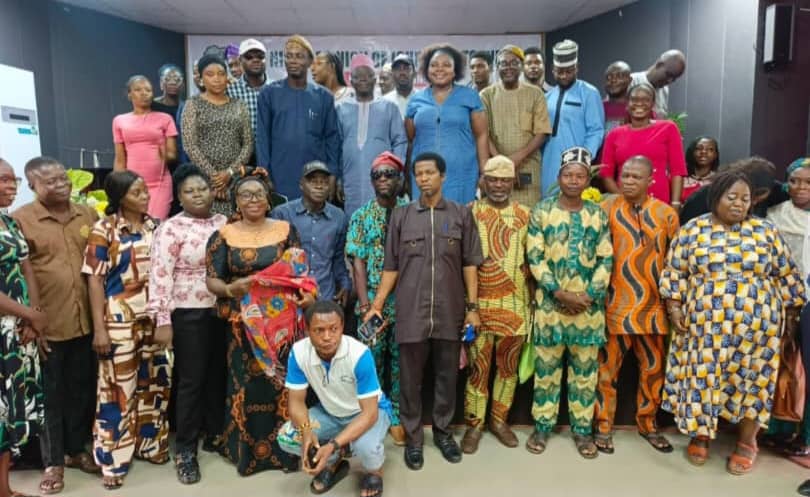
At the end of a one-day intervention training on “Reporting in the Era of Insecurity and Fake News” held at the Dapo Aderogba Hall, NUJ Press Centre, Iyaganku, Ibadan.

The training brought together journalists, bloggers, media executives, communication practitioners, legal experts, and security stakeholders to address the growing challenges posed by fake news, misinformation, disinformation, and unethical media practices in Nigeria.
Participants observed that fake news and misinformation have become significant threats to national security, social cohesion, democratic governance, and public confidence in the media.
They noted that the rapid growth of social media platforms, online content creation, artificial intelligence tools, and the pressure to break news quickly have contributed to the widespread dissemination of unverified information.
The stakeholders also expressed concern over careless and sensational reporting of insecurity, terrorism, kidnapping, communal conflicts, and other sensitive issues, warning that such reports could heighten tensions, create panic, and endanger lives.
Specifically, participants condemned what they described as unethical reporting surrounding the recent abduction of pupils and teachers in Oriire Local Government Area of Oyo State, particularly the publication of unverified claims about alleged demands made by the kidnappers.
According to the communiqué, such reports have the potential to increase public anxiety, create unnecessary tension, and worsen existing security challenges.
The participants further observed that delayed responses from relevant authorities and security agencies often create information gaps that are exploited by purveyors of fake news.
To address these challenges, the stakeholders resolved that journalists and media organisations should strengthen fact-checking mechanisms, prioritise accuracy over speed, and ensure that all information is properly verified before publication or broadcast.
They also called on media practitioners to adopt conflict-sensitive reporting approaches, avoid sensational headlines, and respect the dignity, privacy, and rights of victims of violence and insecurity.
The communiqué stressed the need for continuous professional development and media literacy programmes to equip journalists with the skills needed to identify and combat fake news and misinformation.
Participants further advocated stronger collaboration between journalists, media organisations, and security agencies to facilitate timely access to accurate information and improve public communication during crises.
They also urged responsible use of emerging technologies, including artificial intelligence, while warning against their misuse in creating and spreading false information.

The stakeholders called for strict enforcement of the Nigerian Broadcasting Code and the Nigerian Press Council Code of Ethics to promote accountability, professionalism, and integrity in media practice.
They reaffirmed their commitment to ethical journalism, responsible reporting, accountability, and the defence of truth in the public interest.
You can get every of our news as soon as they drop on WhatsApp ...To get all news updates, Join our WhatsApp Group (Click Here)