

The National Assembly Joint Committee on Narcotic Drugs, on Thursday, expressed strong reservations over the N75.6 billion budget proposal submitted by the National Drug Law Enforcement Agency (NDLEA) for the 2026 fiscal year, describing the allocation as grossly inadequate for the scale of Nigeria’s drug abuse and trafficking challenges.

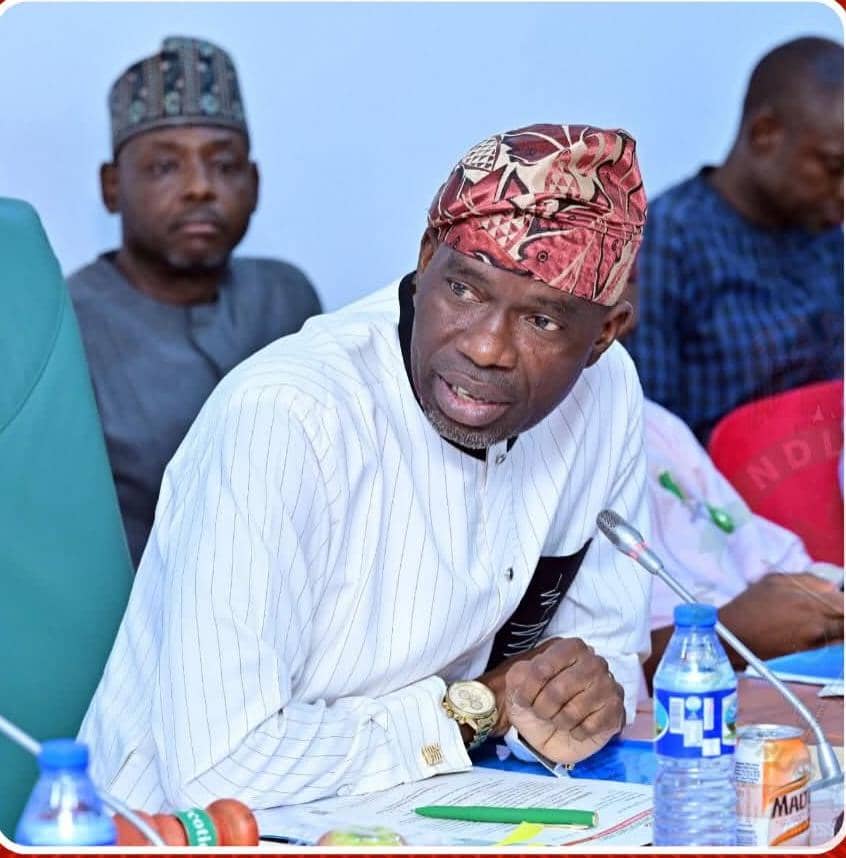
Speaking during a budget defence session, the Chairman, House Committee on Narcotic Drugs, Rep. Abass Adigun Agboworin, underscored the strategic importance of the NDLEA to national stability, stressing that the agency should rank among the country’s foremost security priorities.
According to him, drug abuse has become a central driver of criminality and social dislocation across the country, with far-reaching consequences for public safety, warning that the country risks a deeper security crisis if drug control efforts are not adequately funded.
“This agency should be among the top national priorities. At least 50 per cent of insecurity in Nigeria is linked to drug abuse. Yet we are not funding it accordingly,” Agboworin said.


The lawmaker warned that underfunding the NDLEA at a time of rising drug-related crimes would have long-term implications for Nigeria, noting that the cost of inaction could far outweigh the savings implied by a modest budget.
He argued that effective drug control requires sustained investment in intelligence, personnel training, modern equipment, rehabilitation programmes, and nationwide public sensitisation—areas that would be severely constrained by the proposed allocation.
Agboworin further cautioned that the nation stands at a critical crossroads, urging decisive action to strengthen the agency’s capacity before the situation escalates beyond control.
“If we fail to act now, the implications in the next decade will be severe,” he warned.
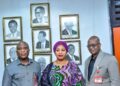
Chairman of the Committee, Senator Ibrahim Hassan Dankwambo, alongside Co-chairman, Rep. Abass Adigun Agboworin, led the scrutiny of the agency’s 2025 budget performance and 2026 proposal, following a presentation by the NDLEA Secretary, Shadrach Haruna.
The NDLEA Secretary also revealed ongoing collaboration with international partners, including the U.S. Drug Enforcement Administration (DEA), particularly in intelligence sharing and financial investigations targeting drug networks.
He added that the agency has established a dedicated department for drug demand reduction, intensifying sensitisation campaigns in schools, religious institutions and grassroots communities.
During the deliberations, members of the Agboworin-led committee expressed deep concerns, agreeing that without urgent and substantial financial reinforcement, Nigeria’s efforts to curb drug abuse—and by extension insecurity—would remain significantly undermined.
They criticised the structure of the 2026 proposal, particularly the capital allocation of N388.59 million, describing it as insufficient for an agency with nationwide enforcement, rehabilitation and prevention mandates.
They noted that critical projects, including the construction and rehabilitation of state commands, counselling and rehabilitation centres, and procurement of operational equipment, have been stalled due to funding constraints.

The lawmakers described the growing drug crisis as a ticking time bomb, calling on the Executive arm of government to review the NDLEA’s 2026 budget proposal upward in line with the gravity of the threat facing the nation.
They concluded that without urgent and substantial financial reinforcement, Nigeria’s efforts to curb drug abuse, and by extension insecurity, may remain significantly undermined, warning that the growing crisis poses a ticking time bomb for the nation’s future.

You can get every of our news as soon as they drop on WhatsApp ...To get all news updates, Join our WhatsApp Group (Click Here)