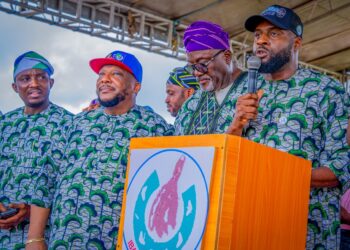




Politics in Oyo State has never been a simple contest of popularity. It is a complex chessboard shaped by history, regional balance, grassroots noises and structures, and the ever-moving alliances that define the state’s political culture. From Ibadan’s numerical dominance to the strategic importance of Ogbomoso, Oke-Ogun, Oyo, and Ibarapa, every governorship election in the state is decided not merely by ambition but by careful political calculation.
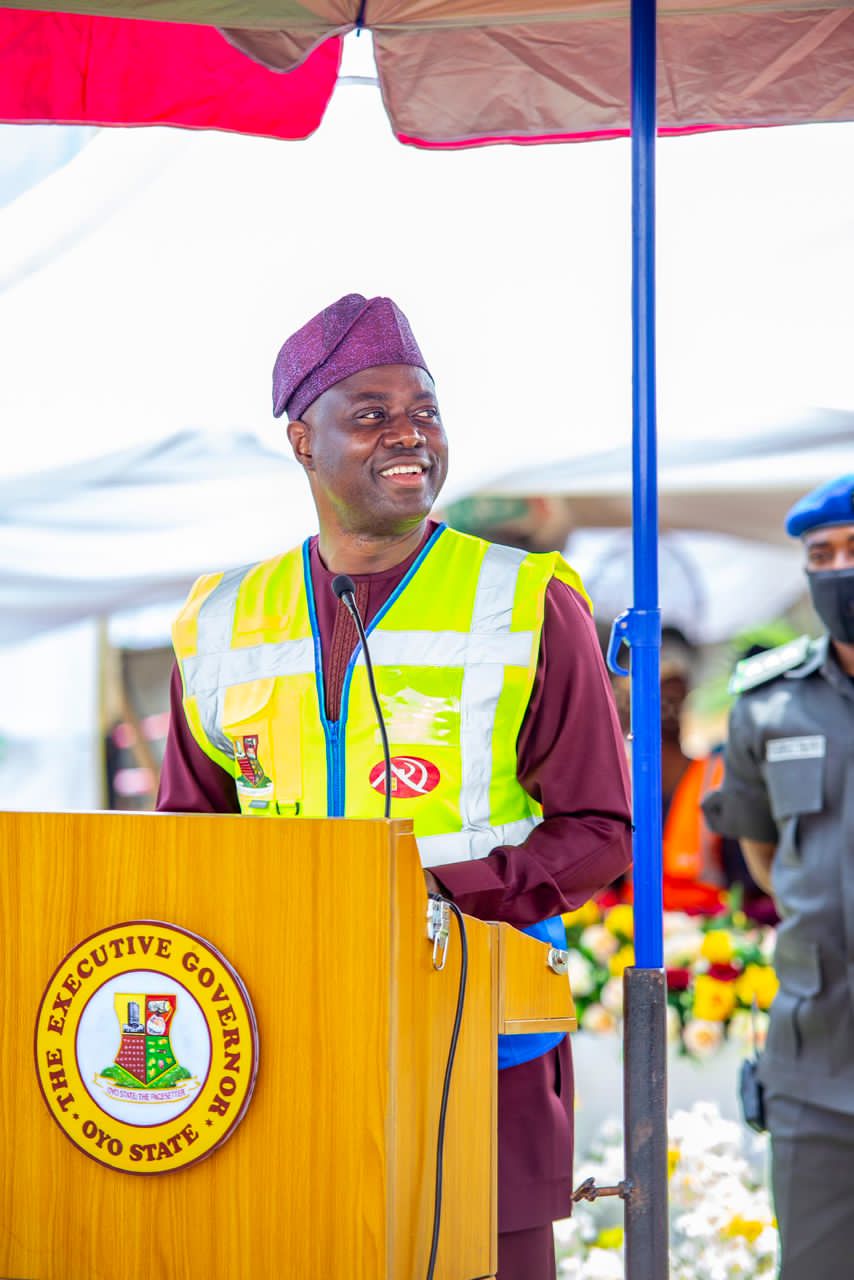
Now, as Mr Governor, Seyi Makinde gradually stares at the final stretch of his second term, we still can’t shy away from the questions of who will succeed him in 2027, which is steadily gaining momentum. In party meetings, political gatherings, and quiet backroom discussions across the state, the conversation of succession has begun to dominate political conversations even in religious spaces.
Makinde himself did not arrive at the Agodi Government House by accident. Before his eventual victory in 2019, he had contested elections, built networks across the state, and carefully studied the mechanics of winning power in Oyo. His emergence and re-election in 2023 were products of political patience, coalition-building, and a deep understanding of the state’s electoral dynamics.
That is why the question of succession carries enormous weight. Choosing a successor is not merely about endorsing another politician; it is about determining whether the political structure and governance philosophy that shaped the Omituntun administration will survive beyond 2027. It is also about protecting a legacy that has taken nearly a decade to build.

However, beyond the arithmetic of succession in Oyo State lies a broader and increasingly unavoidable reality, the internal instability within the Peoples Democratic Party itself. The lingering division between blocs aligned with Nyesom Wike and reform-minded leaders like Seyi Makinde has continued to cast a shadow over the party’s future ahead of 2027. If I were Makinde, this is not a crisis I would ignore. I would prioritise genuine reconciliation within the PDP, not just as a show of unity, but as a strategic move to preserve a credible political platform for both governance continuity in Oyo and national relevance.
However, politics is rarely driven by ideals alone. If reconciliation proves elusive and the party continues to drift without cohesion or clear direction, pragmatism would demand a Plan B. In that scenario, exploring alternative platforms such as the Accord Party or the African Democratic Congress would not be out of place, particularly as both parties have shown pockets of influence and could provide a more stable structure to protect the Omituntun legacy and secure a smoother succession pathway without the weight of internal divisions.
Now, viewed from that perspective, an interesting thought experiment emerges, if one were in Makinde’s position today, what kind of successor would be the most logical choice for Oyo State? The answer would not be based on sentiment or political convenience. It would be guided by the lessons of governance, the realities of electoral politics, and the responsibility of safeguarding the progress already made.
*First, I Would Choose Someone From My Team*
If I were Makinde, the first rule would be simple, the successor must emerge from within the team that has been part of the Omituntun journey. Governance is not a classroom exercise where every administration begins from scratch. Policies evolve over time, reforms take years to mature, and the institutional culture of government develops gradually.
Those who have served within the administration understand the philosophy behind its decisions, the challenges that shaped them, and the delicate political balancing required to implement them.
Choosing someone from within the team would therefore ensure continuity. It would mean the next governor does not spend months trying to understand the machinery of government or the strategic direction of the state. Instead, governance continues with clarity and purpose.
*Second, I Would Choose Someone With a Real Stake in the “Oyo Project*
As we all know, political ambition is common in every democratic society, but genuine commitment to the long-term development of a state is far rarer.
If I were Makinde, I would look for someone who truly believes in the future of Oyo State, someone who sees the governorship not merely as a political prize but as a responsibility to build enduring institutions.
The ideal successor must have a real stake in what many now describe as the “Oyo Project.” Such a person must understand that development is not achieved through short-term gestures or temporary popularity. It is built through sustained policies that strengthen infrastructure, education, healthcare, and economic opportunities for the people.
Leadership without emotional investment rarely produces transformational governance.
*Third, I Would Choose Someone Who Can Unite Disgruntled Politicians*
Every political structure, no matter how strong, contains competing interests. In a politically inclined state like Oyo, ambition often creates tensions and rivalries. One of Makinde’s notable political strengths since 2019 has been his ability to bring together diverse groups, party loyalists, former rivals, grassroots mobilisers, and technocrats into a workable coalition.
If I were Makinde, I would therefore choose a successor capable of continuing this delicate balancing act. The next governor must be someone who can serve as a rallying point for disgruntled politicians, not a figure who deepens divisions within the political family. The survival of any political structure depends on its ability to manage ambition without destroying unity.
*Fourth, I Would Choose Someone Who Has Been on the Ballot Before*
Elections are not theoretical exercises. They test not just popularity but resilience, organisation, and the ability to connect with voters across communities. Makinde himself experienced electoral contests before becoming governor, and those experiences helped shape his political strategy.
If I were Makinde, I would therefore choose someone who has stood before the electorate before, someone who understands the pressure, unpredictability, and intensity of electoral politics. A candidate who has never been tested at the ballot box may struggle to navigate the realities of a statewide campaign. Experience matters.
*Fifth, I Would Choose Someone Who Understands the Dynamics of Winning in Oyo*
Winning elections in Oyo State requires more than charisma or media visibility. The state’s political geography demands careful balancing across its zones.
Ibadan’s demographic strength must be considered alongside the aspirations of Ogbomoso, the strategic significance of Oke-Ogun, the historical influence of Oyo town, and the political importance of Ibarapa.
If I were Makinde, I would choose someone who understands these dynamics intimately,someone who knows how alliances are built across regions and how grassroots mobilisation ultimately determines electoral outcomes. Victory in Oyo is rarely accidental. It is usually the product of strategy.
*Sixth, I Would Choose Someone Who Connects With the People*
Another defining feature of Makinde’s political appeal has been relatability. Despite his background as an engineer and businessman, he cultivated an image of accessibility and connection with ordinary citizens. If I were Makinde, I would avoid choosing a successor who appears distant from the everyday realities of the people.
Leadership must never feel detached from the struggles of market traders, civil servants, farmers, artisans, and students. The next governor must be someone who understands the pulse of the streets, someone who can stand among the people and speak their language. In a democracy, relatability is often as important as competence.
*Seventh, I Would Choose Someone Ready to Work From Day One*
We all know that the transition from one administration to another often comes with delays as new leaders attempt to understand the structure of government. However, if I were Makinde, I would choose someone who already understands the system, someone capable of hitting the ground running from the very first day in office.
Such a successor would already be familiar with the policy priorities of the state, the financial realities of governance, and the ongoing projects that must continue. Continuity demands preparedness.
*Eighth, I Would Choose Someone Who Has Walked the Journey With Me*
Leadership is best transferred to those who have observed governance closely.
If I were Makinde, I would choose someone who has walked the journey of governance alongside the administration, someone who has watched decisions being made, participated in policy processes, and understood the challenges of leading a diverse state. Such a person would not need to reinvent governance. They would simply refine and strengthen it.
*Ninth, I Would Choose Someone Who Can Carry the Torch Without Micromanagement*
Succession should not produce a leader who constantly looks backward for direction. If I were Makinde, I would choose someone capable of carrying the torch independently, someone who understands the vision of the administration but also possesses the confidence to adapt policies to new realities.
True continuity is not about copying the past. It is about preserving its spirit while advancing its mission.
*Finally, I Would Choose Someone Who Can Protect the Legacy*
We know every political leader eventually faces the question of legacy. For Makinde, that legacy includes infrastructure development, institutional reforms, and efforts to reposition governance in Oyo State. Whether those achievements endure will depend largely on the quality of the leadership that follows.
If I were Makinde, my final consideration would therefore be simple, choose someone who will protect and build upon what has already been achieved. Because in politics, the greatest threat to a legacy is not opposition. It is poor succession.
As the election days moves closer, among the names frequently mentioned in are individuals such as Stanley Odidiomo, Segun Ogunwuyi, Debo Akande, Olufemi Ajadi, alongside other aspirants whose ambitions may become clearer in the months ahead.
However beyond individual ambitions, the real question for the ruling party and the people of Oyo State is long.
Who truly possesses the political experience, grassroots connection, and leadership capacity to continue the Oyo project? Because in the end, succession is not merely about who wants to become governor.

Ambition is never scarce in politics. The real question is who understands the responsibility of leading a state whose political history has never been ordinary.Whoever emerges in 2027 will not simply inherit power.
They will inherit the responsibility of writing the next chapter of Oyo State’s political story.
You can get every of our news as soon as they drop on WhatsApp ...To get all news updates, Join our WhatsApp Group (Click Here)