


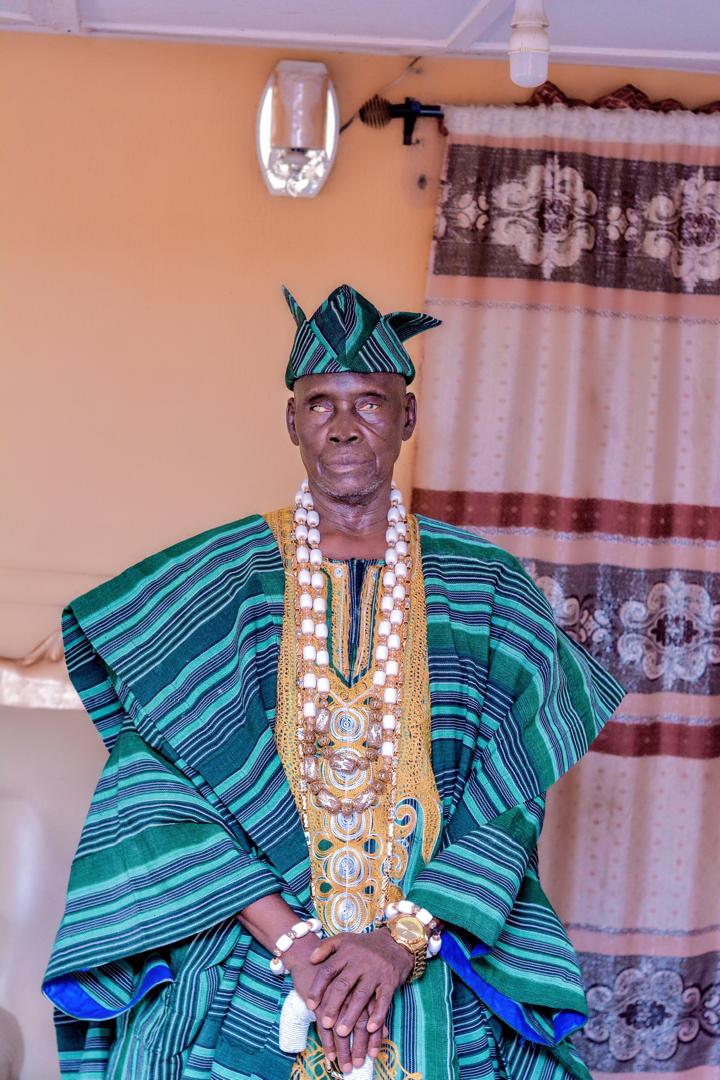


The history of Ago-Oja is a solemn chronicle of displacement, endurance, and eventual restoration. After the gradual yet forceful takeover of the ancient city by Atiba and his followers, the political architecture of the Old Oyo order was firmly imposed upon the land. In consolidating imperial control, the Ago-Oja ruling lineage was assigned the title of Asipa within the Oyo Mesi structure.
Within the traditional hierarchy of the Oyo Mesi, the Asipa occupies the lowest rank among the seven principal chiefs. Though honourable in form, it is politically subordinate in authority. For a once-sovereign people, the appointment symbolized a dual reality — acknowledgment of royal blood, yet structured limitation of power.
The Meaning of Asipa
Traditionally, the Asipa serves as:
A titled chief within the Oyo Mesi council.

A supporting authority in governance.
A custodian of defined ceremonial duties.
However, in the specific case of Ago-Oja, the role carried deeper political undertones. It functioned as a containment mechanism — preserving the lineage in name while limiting its autonomy in practice.
Recognition was granted. Sovereignty was restrained.
Yet history moves in cycles.
From Political Containment to Cultural Endurance
Across generations, the Ago-Oja people maintained what imperial ranking could not erase:
Their ancestral identity,
Their cultural memory,
Their territorial consciousness,
Their spiritual heritage.
Though ranked lowest in council, they never saw themselves as inferior in origin. What appeared as subordination became strategic patience. What seemed like reduction became preservation.
The title of Asipa, intended as a ceiling, quietly became a foundation.
The Emergence of the Oba
As empires declined and new legal and administrative systems emerged, Ago-Oja’s identity evolved beyond the constraints of the old imperial hierarchy.
The transformation from Asipa to Oba represents:
Restoration of autonomous kingship,
Re-assertion of indigenous authority,
Transition from imperial appendage to recognized throne.
Where Asipa symbolized structured limitation within empire, Oba symbolizes sovereignty within community.
The lowest seat became the seed of a throne.
Unfinished Historical Wounds
The Ago-Oja narrative is not only political — it is marked by tragedy and unresolved memory. Critical historical episodes require honest reflection:
The betrayal and covert assassination of Olaboyede Oja, founder of Ago-Oja.
The murder of his brother, Elebu.
The fate of Efunrogun, daughter of Olaboyede Oja and wife of Atiba, reportedly lured into marriage and later eliminated.
Several in-fightings and struggles between successive Alafins and Asipas that resulted in the secret killing of many of the latter through to the brutal murder of Amuda Olorunosebi.
These documented the prolonged hardship endured by successive Baales of Ago-Oja through Asipas of Oyo Atlba down to Olorunosebi.
These events are not merely historical notes — they form the backbone of a people’s resilience.
A Call for Justice and Reconciliation!
If genuine reconciliation and lasting peace are to prevail, the Amuda Olorunosebi matter deserves formal historical and administrative reconsideration.
To His Excellency, Engr. Seyi Makinde FNSE, the Ago-Oja people acknowledge the significance of fair traditional recognition. Constructive engagement remains the path to enduring stability. The Ago Oja people shall remain grateful to your legacy, you have provided leadership that strengthens justice and inclusion.
There is also a pressing need for infrastructural and administrative reassessment of the Ago-Oja region — a land of vast territorial coverage that spans the present Atiba, Oyo East, and Oyo West Local Government Areas. The Atiba Local Government Area (an oppressive name) where majority of Oja descendants reside is facing marginalization, limited ward representation, and absence of basic security infrastructure.
Recognition must go beyond titles. It must reflect in governance.
The Meaning of the Journey
The journey from Asipa to Oba is not merely about rank.
It is about resilience.

It tells the story of a people absorbed, but not erased; reduced, but not extinguished; ranked low, yet rooted deep.
And with time, history transformed the lowest seat into a throne.
You can get every of our news as soon as they drop on WhatsApp ...To get all news updates, Join our WhatsApp Group (Click Here)